Grand Canyon Fish Protections Put Hydropower Output Under Pressure
Water managers in the American Southwest are facing a difficult balancing act: protect vulnerable fish species in the Grand Canyon while also preserving the value of hydropower generation from one of the region’s most important dams. The issue highlights a growing tension that investors, utilities, policymakers, and environmental groups are watching closely as climate change and water scarcity reshape energy markets.
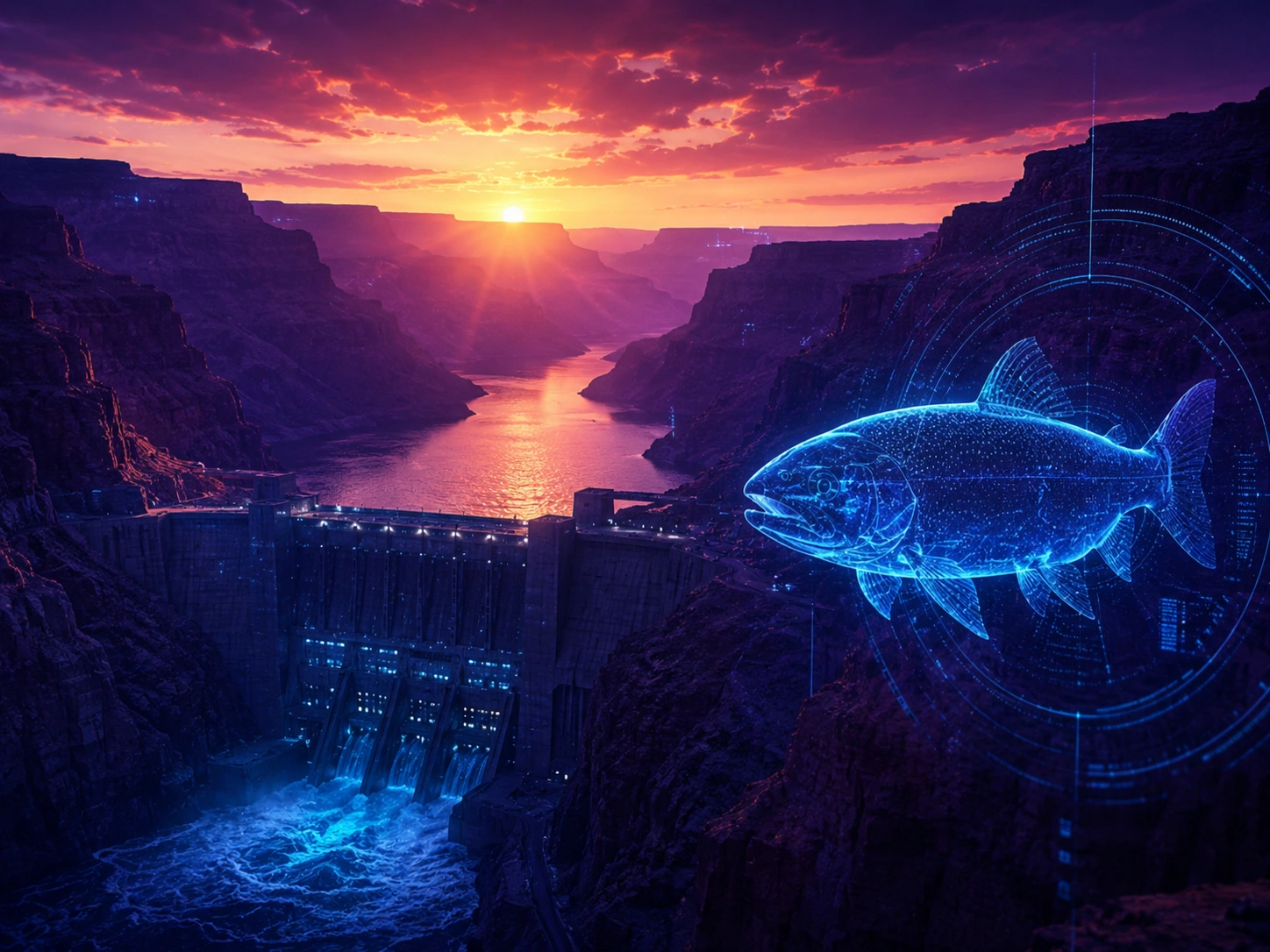
According to Associated Press reporting, officials have been releasing cooler water from Lake Powell through Glen Canyon Dam to help protect native fish populations downstream in the Grand Canyon. The strategy is designed to support species that depend on colder, more stable river conditions. However, the same approach can reduce the amount of water available for peak electricity generation, creating financial and operational challenges for hydropower users.
The situation shows how environmental management decisions can carry real economic consequences. Hydropower is often viewed as a flexible, low-carbon energy source that can support the grid when demand rises. But in the Colorado River Basin, water is not only an energy input. It is also a scarce resource needed for cities, farms, tribal communities, recreation, and ecosystems.
Why Cool Water Matters for Grand Canyon Fish
The Grand Canyon is home to native fish species that have adapted to the Colorado River over thousands of years. But the construction of large dams changed the river’s natural flow, temperature, sediment patterns, and seasonal rhythms. These changes created new pressures on native fish and allowed some non-native species to spread.
Cooler water releases from Glen Canyon Dam are intended to create better conditions for certain fish populations downstream. Temperature is critical for aquatic ecosystems. If water becomes too warm or too variable, fish can struggle to reproduce, find food, or survive through stressful periods.
In this case, water managers are using dam operations as an ecological tool. By changing when and how water is released, they can influence river conditions through parts of the Grand Canyon. This kind of management has become increasingly important as drought, warming temperatures, and lower reservoir levels put additional stress on the Colorado River system.
For environmental groups, the effort is a necessary step to protect biodiversity in one of the world’s most iconic natural landscapes. For power users and utilities, however, the timing and structure of water releases matter because they affect electricity generation.
The Hydropower Trade-Off
Glen Canyon Dam is not only a water-control structure. It is also a major source of hydropower. Electricity generated by the dam helps serve customers across the region and provides flexible power that can be especially valuable during periods of high demand.
Hydropower has a unique role in energy markets because it can often ramp production up or down more quickly than many other generation sources. That flexibility helps balance the grid, especially as more solar and wind power are added. Solar production falls in the evening, wind can vary, and electricity demand can spike during heatwaves. Hydropower can help fill those gaps.
But hydropower depends on water availability, reservoir levels, and operating rules. If water releases are adjusted for ecological reasons rather than market demand, the dam may generate less power during the most valuable hours. That can reduce revenue and force utilities to replace the missing electricity with other sources.
Replacement power can be more expensive. In some cases, it may also come from fossil fuel plants, which can increase emissions. This creates a complicated policy question: how should society balance immediate ecosystem protection against energy affordability, grid reliability, and climate goals?
Water Scarcity Raises the Stakes
The trade-off is becoming more difficult because the Colorado River system has been under severe stress. Long-term drought, rising temperatures, and heavy demand have reduced water levels in major reservoirs, including Lake Powell and Lake Mead. Lower reservoir levels can weaken hydropower output because less water pressure reduces generation efficiency.
When reservoirs fall too low, hydropower production can become technically limited or even impossible. This risk has already raised concerns among utilities, states, and federal agencies. The lower the water level, the less flexibility managers have to satisfy competing demands.
That means ecological releases are taking place within a broader water crisis. Every decision about river flows now carries multiple consequences. Water released for fish may affect electricity generation. Water held for power may affect ecosystems. Water delivered for cities and farms may reduce reservoir storage. These competing priorities are becoming more difficult to manage as climate conditions change.
For investors, the lesson is clear. Water risk is energy risk. Hydropower assets that once appeared stable may face growing uncertainty as drought and environmental obligations reshape operations.
Impact on Utilities and Power Markets
The cost of reduced hydropower output can be passed through in several ways. Utilities may need to buy replacement electricity from wholesale markets. If market prices are high, that can raise costs for power providers and eventually customers. Public power agencies that rely on federal hydropower may also face budget pressure if dam generation becomes less profitable.
These changes can affect power-market planning. Utilities must ensure they have enough supply during peak demand periods, especially in hot weather. If hydropower becomes less available, grid operators may need more battery storage, natural gas backup, demand-response programs, or transmission capacity to maintain reliability.
This creates opportunities for companies involved in grid modernization, battery storage, renewable integration, power analytics, and flexible generation. It may also increase the value of diversified energy portfolios. Utilities that rely too heavily on one resource, including hydropower, may face greater climate and regulatory exposure.
Investors should pay attention to how water rules influence energy economics. Environmental regulations, drought conditions, and reservoir management can all affect power production, revenue stability, and long-term asset value.
Environmental Policy Meets Energy Transition
The Grand Canyon water-release debate comes at a time when governments are trying to decarbonize electricity systems. Hydropower is usually seen as a clean energy source because it does not burn fossil fuels during generation. However, the environmental footprint of dams is complex.
Dams change river ecosystems, affect fish migration, alter sediment movement, and transform water temperature patterns. Managing these impacts can require operational changes that reduce energy output. As a result, hydropower sits at the intersection of clean energy and ecological restoration.
This makes policy decisions more complicated than a simple choice between green energy and conservation. Both sides of the debate involve environmental goals. Clean electricity helps reduce greenhouse gas emissions, while cooler water releases help protect local biodiversity.
The challenge is to design systems that support both goals as much as possible. That may require better forecasting, more flexible grid resources, improved dam management, and stronger coordination between environmental agencies and power providers.
Climate Change Adds More Pressure
Climate change is making river management harder. Warmer air temperatures increase evaporation and can reduce snowpack, which is a key water source for the Colorado River. Earlier snowmelt can shift the timing of water flows, while prolonged drought can lower reservoirs and increase stress on ecosystems.
As water warms, fish may require more active protection. At the same time, hotter summers can raise electricity demand for air conditioning. That means climate change can simultaneously increase the need for ecological water management and the need for reliable power.
This is the core investment issue. Climate risk does not affect sectors in isolation. It connects water, energy, agriculture, insurance, infrastructure, and public finance. A decision made for fish habitat can influence power markets. A drought can affect cities, farms, utilities, and bond issuers. A heatwave can increase electricity demand while reducing water availability.
Investors who analyze infrastructure, utilities, municipal bonds, and energy markets will increasingly need to understand these links.
What Investors Should Watch
Several factors will determine the long-term financial impact of cooler water releases. The first is how often such releases are required. A one-time or seasonal adjustment may be manageable. Repeated operational changes could have a larger effect on hydropower revenue.
The second factor is reservoir levels. If Lake Powell remains low, the dam’s power generation outlook may weaken regardless of fish-protection measures. If water conditions improve, managers may have more flexibility.
The third factor is replacement power cost. If utilities can replace lost hydropower with low-cost solar, wind, batteries, or market purchases, the financial impact may be limited. If replacement power is expensive, ratepayers and power agencies may feel more pressure.
The fourth factor is regulation. Environmental protections can become more demanding if fish populations remain under stress. At the same time, energy reliability concerns may lead policymakers to look for ways to reduce the cost of ecological operations.
Investor Takeaway
The Grand Canyon water-release strategy shows that environmental protection and energy production are increasingly connected. Releasing cooler water can help protect fish and support river ecosystems, but it can also reduce the value and flexibility of hydropower generation.
For investors, this is a reminder that climate and ecological risks can directly affect infrastructure assets. Dams, reservoirs, utilities, power contracts, and public agencies all depend on water rules that are becoming more complex.
The broader message is that the energy transition is not only about building more clean power. It is also about managing natural systems responsibly. Hydropower may remain an important low-carbon resource, but it must operate within environmental limits that may become more demanding as climate pressures grow.
Companies and utilities that plan for water scarcity, diversify power supply, invest in storage, and coordinate with environmental regulators may be better positioned. Those that assume historical water patterns will continue may face growing financial risk.
The Grand Canyon case is a clear example of the new reality facing energy markets. Protecting ecosystems has costs, but ignoring ecological stress also carries long-term consequences. Investors will need to understand both sides as climate, water, and electricity systems become more tightly linked.